 The Crate
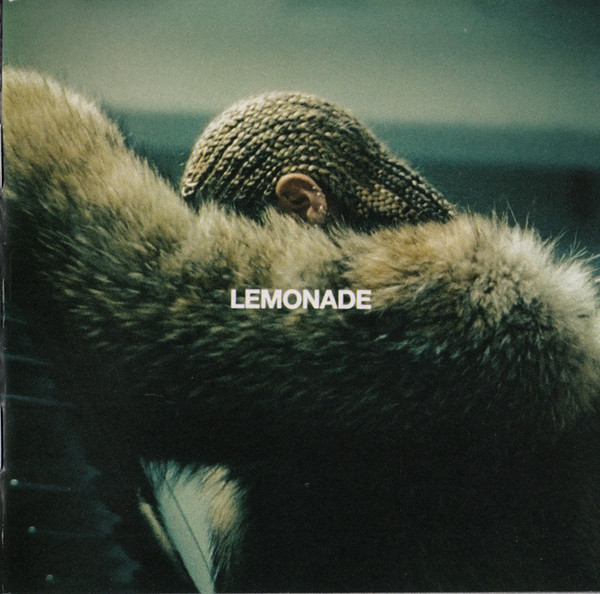
Beyoncé
Lemonade
Lemonade is Beyoncé’s sixth studio album, surprise-released as a visual album on April 23, 2016; it arrived together with an hour‑long film and immediately became a cultural event for its candid personal themes and genre‑blurring sound. The project is widely regarded as one of the defining pop records of the 2010s for its fusion of R&B, rock, country and art‑pop and for foregrounding Black female experience. ([en.wikipedia.org](https://en.wikipedia.org/wiki/Lemonade_%28album%29))
Recording History:
Lemonade was recorded across multiple sessions between 2014–2016 at studios including Apex, Mad Decent (Burbank), The Beehive, Conway, Henson, Record Plant and Jungle City, among others. Beyoncé acted as a primary producer and creative director alongside many collaborators (Diplo, James Blake, Jack White, Mike Will Made‑It, Just Blaze, MeLo‑X, Boots, Mike Dean and others), and Stuart White served as lead engineer/mixer on the bulk of the project. Sessions blended analogue sources (e.g., Jack White’s 8‑track tapes) with in‑the‑box production workflows; White’s core vocal chain (Telefunken ELAM 251 into Avalon preamp and Tube Tech compressor) and heavy Pro Tools usage are documented in studio interviews. ([en.wikipedia.org](https://en.wikipedia.org/wiki/Lemonade_%28album%29))
Chart Performance & Recognition:
Lemonade debuted at No. 1 on the US Billboard 200 with roughly 653,000 album‑equivalent units (485,000 pure sales) and placed every track on the Hot 100, a chart milestone for a female artist. It won two Grammys (Best Urban Contemporary Album and Best Music Video for “Formation”), earned a Peabody Award for its film, and has been certified multi‑platinum by the RIAA (listed as 4× Platinum). ([forbes.com](https://www.forbes.com/sites/hughmcintyre/2016/05/01/beyonces-lemonade-album-debuts-at-number-one/?utm_source=openai))
Cultural Impact & Legacy:
Lemonade sparked broad discussion about race, gender and marriage, influenced artists across genres, and generated dozens of academic and critical studies; it later topped several “best of” lists and is frequently cited among the decade’s and century’s landmark albums. Notable features: the record’s samples and cross‑genre collaborations (Jack White, James Blake, Kendrick Lamar, The Weeknd), the memorable visual imagery from the film, and its role in changing how major pop records are released and discussed. Today it’s both a commercial landmark and an often‑referenced cultural touchstone. ([en.wikipedia.org](https://en.wikipedia.org/wiki/Lemonade_%28album%29))
If you’d like, I can pull the album’s full personnel/liner‑note credits or summarize how specific tracks were made (e.g., “Don’t Hurt Yourself” or “Formation”) with source citations.