 The Crate
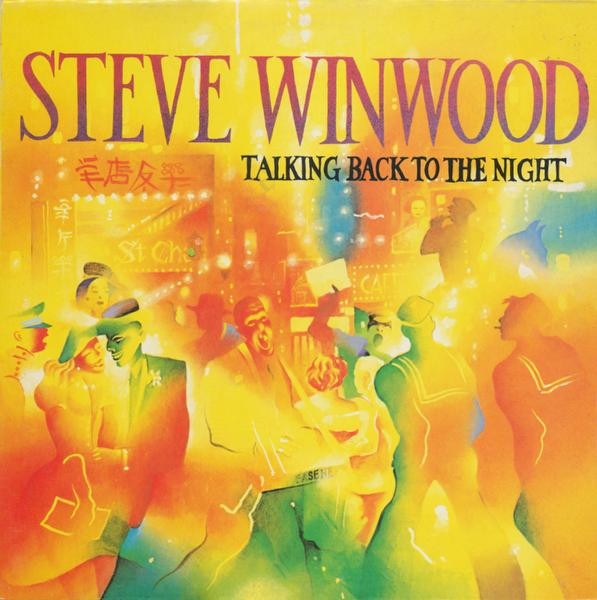
Steve Winwood
Talking Back To The Night
1. Technological Advancement: The album was one of the early adopters of digital recording technology, a relatively new innovation at the time. This gave the album a distinct, clean sound that set it apart from many contemporaneous releases.
2. Self-Sufficiency: Much like his previous solo album, "Arc of a Diver", Steve Winwood played almost all the instruments on "Talking Back to the Night", showcasing his multi-instrumental prowess. This includes synthesizers, drums, bass, and guitar.
3. Chart Performance: The album’s lead single, "Valerie", became one of Winwood's most well-known songs. Although it initially peaked modestly on the charts, a 1987 remix of "Valerie" became a top 10 hit in both the US and the UK.
4. Lyric Collaborations: Steve Winwood continued his fruitful collaboration with lyricist Will Jennings on "Talking Back to the Night". Jennings had previously worked with Winwood on hits like "While You See a Chance".
5. Title Track Inspiration: The title track, "Talking Back to the Night", reflects Winwood's move towards more introspective and sophisticated lyrical themes, discussing the difficulties and aspirations of a night-time cityscape.
6. Cover Art: The album cover, created by Tony Wright, presents a night-time cityscape image that aligns perfectly with the urban themes explored in many of the album's tracks.
7. Reception and Legacy: While it didn't achieve the same critical acclaim as "Arc of a Diver", "Talking Back to the Night" still reinforced Winwood's knack for blending pop, rock, and synth-driven sounds. The album remains a key piece in his discography, marking the transitional phase towards his more mainstream success in the mid-1980s.
This album is a fascinating piece of 80s pop/rock history, encapsulating a period of technological innovation and creative exploration for Steve Winwood.