 The Crate
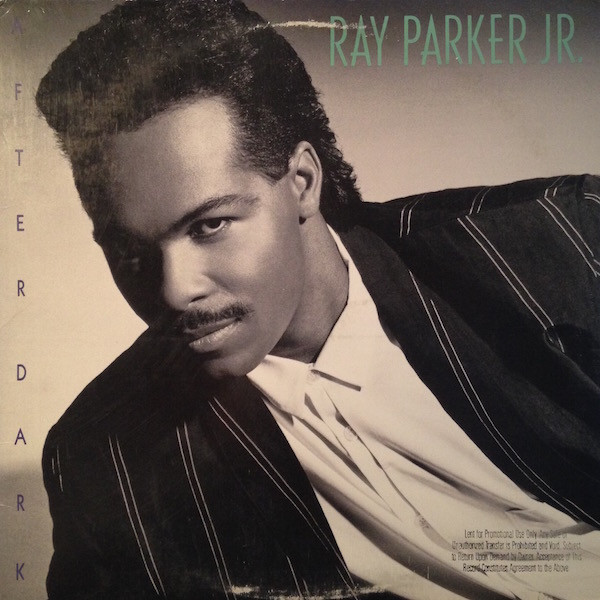
Ray Parker Jr.
After Dark
1. Transition into New Sounds: "After Dark" represents a time when Ray Parker Jr. was transitioning his music style. While he was famous for his work in R&B and pop, this album incorporates more elements of the contemporary smooth jazz and adult contemporary sounds popular in the late 1980s.
2. Notable Tracks: The album features tracks like "I Don't Think That Man Should Sleep Alone," which was quite successful, reaching number 2 on the Billboard Hot R&B Singles chart. It showcased Parker's ability to weave sensual narratives with smooth melodies.
3. Collaborations: Ray Parker Jr. worked with notable musicians like Michael Landau and Paul Jackson Jr. on the album. Their contribution added a distinct instrumental quality to the record, enhancing its musical depth.
4. Lyrical Themes: The album's lyrics revolve around themes of love, relationships, and intimacy, a common thread in Parker’s work. However, Parker’s mature songwriting in this album sees him delving deeper into the complexities of adult relationships.
5. Musical Expertise: Ray Parker Jr. was not only the lead singer but also took charge of the production. His multi-instrumental talents are evident, as he played guitar, bass, and even handled drum programming on various tracks.
6. Cultural Context: Released during a vibrant era for R&B, "After Dark" emanates the reflective night-time vibe suggested by its title. It fits snugly into the fabric of late '80s R&B music, with its lush arrangements and polished production.
7. Legacy and Influence: While it may not have matched the explosive popularity of "Ghostbusters," "After Dark" is appreciated for showcasing Parker’s versatility as an artist. It evidences his attempt to explore new musical territories while staying true to his roots.
"After Dark" may not be the most widely recognized record in Ray Parker Jr.'s catalog, but it encapsulates an interesting phase in his career where he gracefully bridged various facets of R&B and pop, highlighting his adaptability and sustained relevance in the music industry of the late '80s.