 The Crate
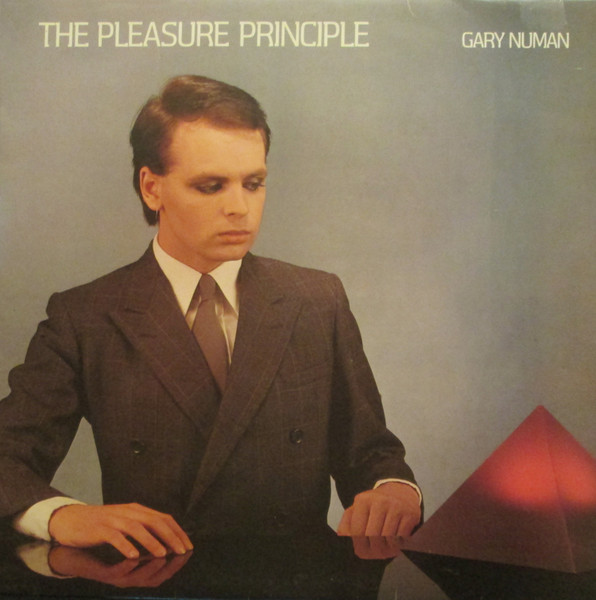
Gary Numan
The Pleasure Principle
One fascinating aspect of "The Pleasure Principle" is its use of the Minimoog and other synthesizers, which Numan used to create a colder, more robotic sound, eschewing traditional instrumentation like electric guitars. The decision to exclude guitars was quite revolutionary at the time and helped define the distinct sound of the album.
The most famous track from the album, "Cars," became Numan's signature song and a massive hit worldwide. It is notable for its catchy synth melody and its exploration of themes related to technology and alienation—themes that Numan often revisits in his work. The song's enduring popularity has made it a staple of 80s playlists and it continues to be covered and sampled by various artists.
Another interesting fact is the album's name, "The Pleasure Principle," which is a reference to a Freudian concept. This hints at Numan's interest in psychological themes, which he often incorporates into his music.
The striking cover art of the album, featuring Numan sitting at a table under a single light bulb, is minimalist yet deeply evocative, reflecting the stripped-down, futuristic soundscapes of the music itself.
Overall, "The Pleasure Principle" not only solidified Gary Numan's career but also influenced a wide array of musicians who would expand upon the electronic genres in the decades to come.