 The Crate
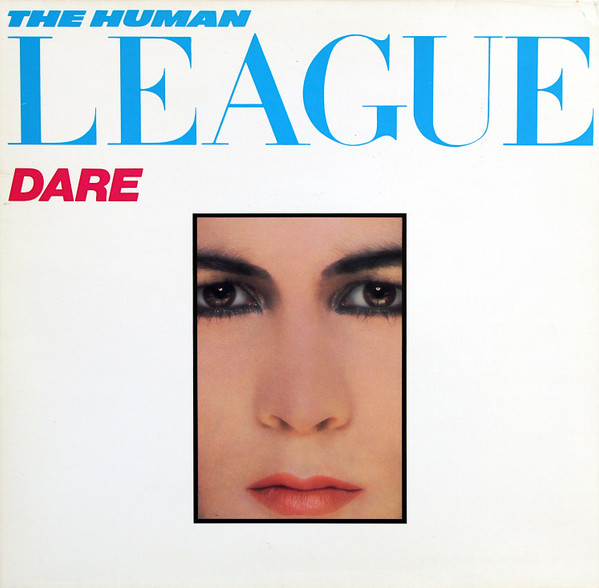
The Human League
Dare
Here are some fascinating tidbits about "Dare":
1. Lineup Transformation: Prior to "Dare," The Human League underwent a major lineup change. Virtually half of the band departed, leaving Phil Oakey as the sole remaining member. To revamp the group, Oakey recruited two new female vocalists—Susan Ann Sulley and Joanne Catherall—almost randomly from a nightclub in Sheffield. This change brought a distinct new dynamic and visual flair to the band's performances.
2. Chart-Topping Success: The album's most famous track, "Don't You Want Me," became a global hit, topping the charts in both the UK and the US. Although initially reluctant to release it as a single, the band's label insisted due to the song's catchy hook and potential for success. It eventually sold over 1.5 million copies.
3. Innovative Production: Martin Rushent, the album's producer, utilized cutting-edge technology for the time, including the LinnDrum machine and Sequential Circuits Prophet-5 synthesizer. This contribution was crucial in crafting the polished, futuristic sound that defines "Dare."
4. Cultural Impact: The album cover, designed by graphic artist Philip Adrian Wright, is often cited as iconic in the realm of album art. It reflects the sophisticated, fashion-forward vibe that The Human League mastered throughout the '80s.
5. Sales Milestone: "Dare" not only topped the UK Albums Chart for four weeks but also went triple platinum in the UK. Its influence reached international waters, particularly shaping the sounds of both the '80s synth-pop genre and the wider New Wave scene.
6. A Synthesis of Styles: Despite its electronic roots, "Dare" is grounded in classic pop principles, brilliantly merging catchy melodies with electronic experimentation—something that appealed both to mainstream pop fans and purists of electronic music.
"Dare" is not just an album; it's a cultural artifact from the early '80s that reflects a period of daring innovation in pop music, ultimately paving the way for future synth-pop acts.