 The Crate
Unknown Artist
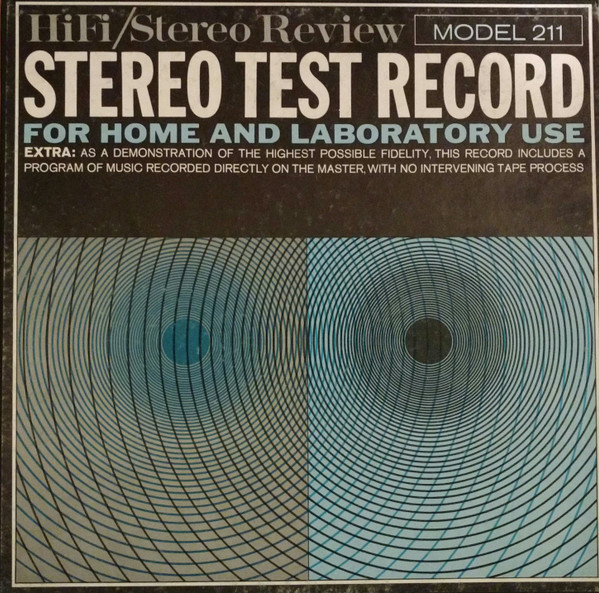
Stereo Test Record For Home And Laboratory Use - Model 211
"Realistic Stereo Test Record" is a commercial test LP issued under Radio Shack’s Realistic brand (the consumer electronics line of the Tandy Corporation). It is not a conventional music album but a diagnostic/demo disc intended for setting up and evaluating stereo hi‑fi systems. Such records were staples of the hi‑fi era and are principally significant to audiophiles and vintage-equipment hobbyists.
Recording History
Definitive session details (studio, producer, precise recording dates) for this specific Realistic test disc are not well documented in public sources. Many manufacturer test records of the period were produced in‑house or pressed by third‑party plants and credited to “Various” or the brand rather than individual artists or producers. Content on these discs was typically created by audio engineers using clean studio signal sources and may include voiceovers recorded in small studios or production rooms.
Chart Performance & Recognition
Test records like this did not chart on mainstream music charts, were not eligible for music industry sales certifications (gold/platinum), and were not contenders for general music awards. They received recognition within hi‑fi and electronics magazines and among dealer networks as useful tools for demonstrating and calibrating equipment, but not as commercial musical releases.
Cultural Impact & Legacy
The Realistic Stereo Test Record is valued by collectors and vintage-audio enthusiasts for its practical utility and as a period artifact from the golden age of consumer stereo. Test features typically include single‑frequency (1 kHz) tones, frequency sweeps, pink noise, channel balance/phase checks, left/right imaging tests, and short musical or percussive clips to judge transient response and imaging. While there are no notable musical covers or samples derived from these discs, they influenced how dealers demonstrated stereo systems and helped standardize basic home-audio setup practices. Precise provenance and pressing details can be scarce; if you need catalogue numbers, label variants, or estimated collector values, supplying a photo of the label and runout etchings will allow more specific identification.