 The Crate
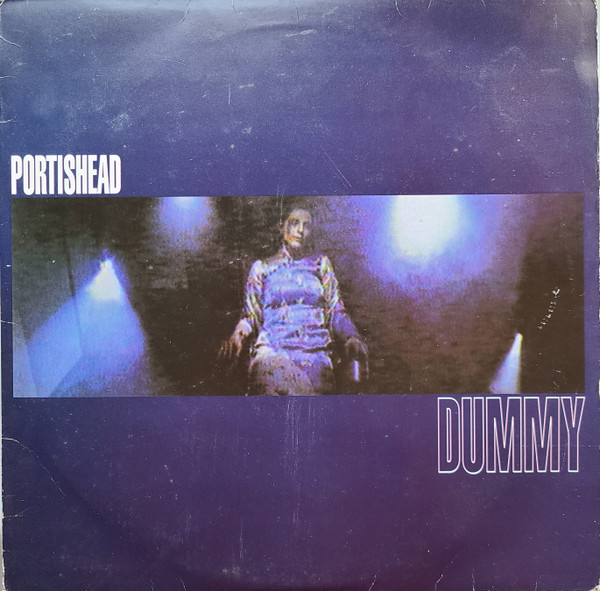
Portishead
Dummy
1. Innovative Sound: The album is noted for its pioneering use of sampling. Geoff Barrow, one of the band members, meticulously crafted tracks using samples from obscure records, classic film scores, and his own recordings, giving "Dummy" a distinctive, atmospheric feel.
2. Critical Acclaim: Despite its initially modest commercial expectations, "Dummy" received critical acclaim and went on to win the 1995 Mercury Music Prize. It has been included in numerous lists of essential albums, and in 2003, it was ranked number 419 on Rolling Stone magazine's list of “The 500 Greatest Albums of All Time.”
3. Timeless Tracks: The album includes several tracks that have become iconic. "Glory Box" and "Sour Times," for example, are among the band's most well-known songs, with their introspective lyrics and cinematic soundscapes.
4. Visual Aesthetics: The album's cover features a still from the 1994 short film "To Kill a Dead Man," which was produced by Portishead. The austere and noir-like visuals of the film reflect the album's shadowy and mysterious tone.
5. Influence and Legacy: "Dummy" has influenced a wide array of artists across different genres. It's considered a touchstone for future trip hop acts and beyond, affecting music ranging from alternative rock to electronic music.
6. Emotional Resonance: Beth Gibbons' vocal delivery on "Dummy" is often cited for its raw emotional impact. Her voice conveys a depth of longing and introspection that resonates with listeners, matching the album's moody production.
The album's groundbreaking blend of sounds and themes has secured its place as a timeless piece of music history. Its legacy continues as new generations discover its haunting beauty.