 The Crate
The Beatles
Rubber Soul
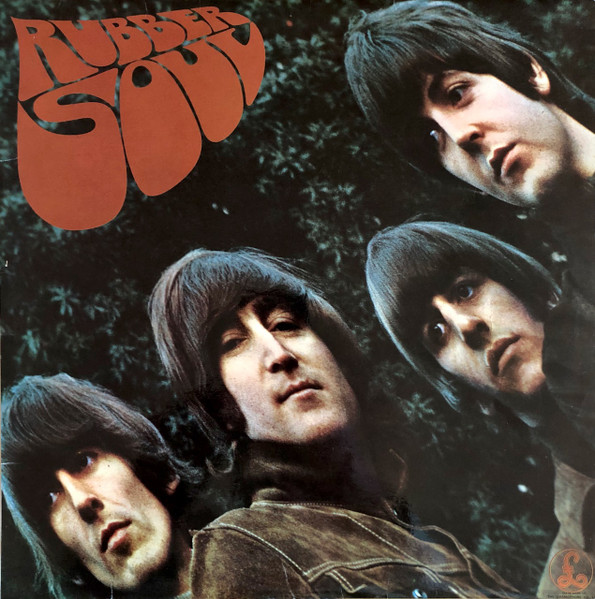
One of the most striking elements about "Rubber Soul" is its title, which plays on the concept of an artificially enhanced version of something authentic - in this case, soul music interpreted through The Beatles' unique lens. The album's cover art, featuring a stretched and slightly distorted photo of the band, complements this playfulness with reality.
Musically, "Rubber Soul" is diverse and innovative. For instance, the song "Norwegian Wood (This Bird Has Flown)" features George Harrison playing the sitar, marking one of the first instances of Indian instruments in Western popular music, which would later greatly influence the band's work.
The album explores themes of love from various perspectives: mature, cynical, and introspective. Tracks like "In My Life" reflect a reflective and autobiographical style, often hailed as one of John Lennon’s finest songwriting achievements. Interestingly, the harmony and musical structure highlighted Paul McCartney and George Martin's classical influences.
Critically, "Rubber Soul" is often argued to be not just an album but an artistic statement, which encouraged listeners to approach albums as cohesive works rather than collections of singles. It received universal acclaim upon release and is frequently cited as one of the greatest albums of all time. The release was so impactful that it inspired other artists, including the Beach Boys' Brian Wilson, who aimed to exceed its artistry with "Pet Sounds"—an album that in turn influenced The Beatles’ next masterpiece, "Sgt. Pepper's Lonely Hearts Club Band."
Therefore, "Rubber Soul" is celebrated not only for its immediate musical triumphs but also for setting the stage for the transformative journey that The Beatles and popular music would embark upon through the late 1960s and beyond.