 The Crate
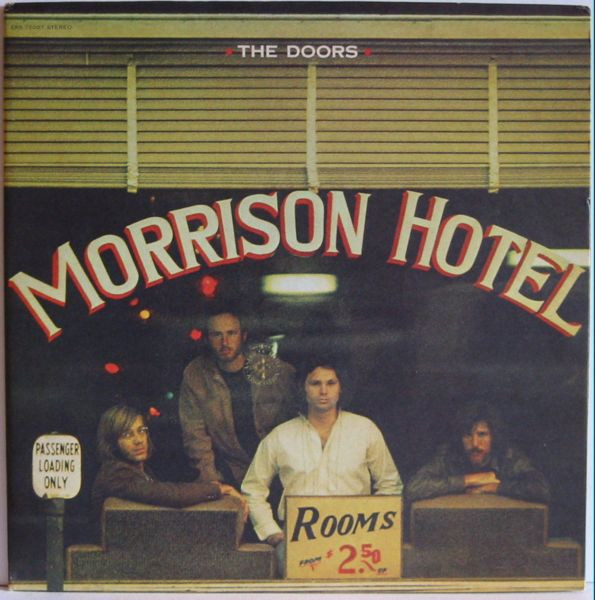
The Doors
Morrison Hotel
1. Return to Roots: After experimenting with orchestral and jazz arrangements on their previous album "The Soft Parade," The Doors decided to return to a more straightforward rock and blues sound with "Morrison Hotel." This pivot was welcomed by fans and critics alike, who appreciated its raw energy and simplicity.
2. Two-Part Structure: The album is structured into two distinct parts. Side one is called "Hard Rock Cafe" and side two is "Morrison Hotel," each one showcasing different atmospheres but harmoniously intertwining The Doors' signature sound.
3. Iconic Album Cover: The cover photo was taken at the actual Morrison Hotel in Los Angeles. Interestingly, the band didn't have permission to shoot there. When the lobby was temporarily left unattended, they rushed into the hotel and the photographer Henry Diltz quickly captured the historic image. This guerrilla approach became an iconic staple of rock album cover lore.
4. "Roadhouse Blues": One of the most famous tracks from the album, "Roadhouse Blues," is a staple in rock music, showcasing Jim Morrison's gritty vocals and harmonica by rock legend John Sebastian (under the pseudonym G. Puglese due to contractual issues). The track famously resonates with the band’s ability to infuse blues with the allure of rock n' roll.
5. Critical Acclaim Over Time: Although initial responses to "Morrison Hotel" were mixed compared to previous Doors albums, it has since been reevaluated and is often celebrated as one of their strongest works, reflecting a high point in their creativity and musical cohesion.
6. Social Commentary: The album includes tracks like "Peace Frog" which touches on the turbulent social issues of the time, including violence and unrest, capturing the counterculture spirit and the tumult of the late 1960s and early 1970s.
"Morrison Hotel" marked a significant chapter for The Doors, showcasing their resilience and ability to adapt while maintaining the mystique and charisma that made Jim Morrison and the band legendary figures in rock history.