 The Crate
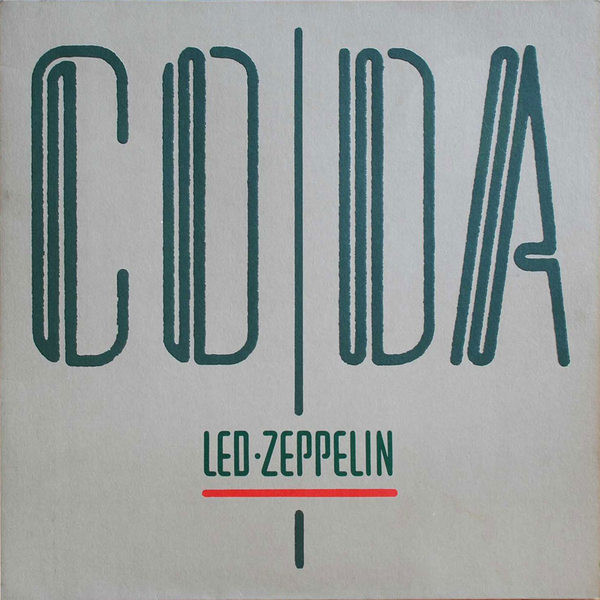
Led Zeppelin
Coda
1. The Final Chapter: "Coda" was Led Zeppelin's ninth and final studio album. It consists of outtakes and tracks that had not been included in previous studio albums. The album was a way for the band to fulfill contractual obligations with Atlantic Records following the group's dissolution in 1980 after the death of their esteemed drummer, John Bonham.
2. The Name's Origin: The word "coda" refers to a concluding passage of a piece of music. This title was particularly fitting, symbolizing a final farewell and a closing note to the band’s illustrious and impactful career.
3. Diverse Recording Sessions: The tracks featured on "Coda" come from various points in Led Zeppelin's career, spanning from 1970 to 1978. This includes the live energy of “We're Gonna Groove” and the experimental "Bonzo's Montreux," which showcases Bonham's incredible drumming skills.
4. John Bonham’s Presence: One of the key highlights of the album is the spotlight on John Bonham. Two of the tracks, “Bonzo's Montreux” and “Wearing and Tearing,” are tributes to his talent, with the former being an instrumental drum piece recorded with synthesizer effects added by Jimmy Page.
5. “Traveling Riverside Blues” and More: During the 2015 reissue of "Coda," the album was expanded to include additional recordings, one of which was "Traveling Riverside Blues," a song originally recorded during a BBC session in 1969. This re-release revitalized interest in the album with a richer collection of Led Zeppelin’s lesser-known works.
6. Critical Reception: While some critics saw "Coda" merely as a collection of leftover tracks, others appreciated it for providing insights into the band’s creative process and unreleased material that still carried the spirit and innovation Led Zeppelin was known for.
Despite being made up of previously unreleased tracks, "Coda" still managed to reach number 6 in the US and number 4 in the UK charts, proving that even their "leftovers" still captivated fans around the world.