 The Crate
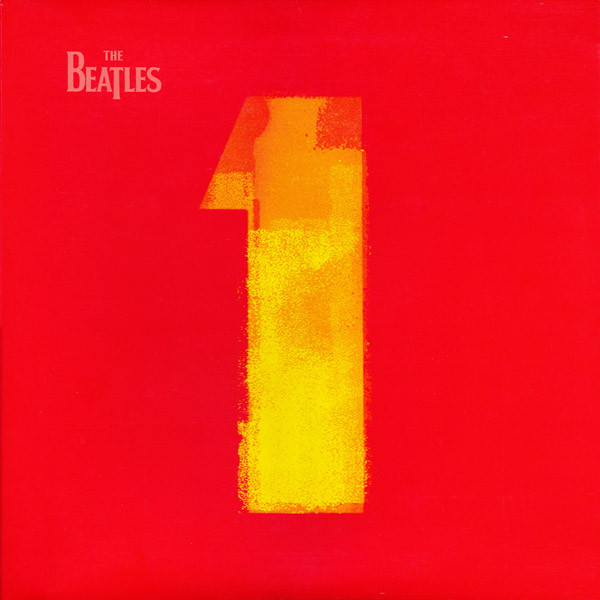
The Beatles
1
1. Recording Turbulence: The recording sessions were notoriously chaotic and marked by growing tensions within the band. This period saw the beginning of The Beatles' fragmentation, with members frequently working on their own individual compositions rather than collaborating closely.
2. Rishikesh Influence: Many of the songs were written during the band's stay in Rishikesh, India, where they were studying Transcendental Meditation with Maharishi Mahesh Yogi. This retreat inspired a burst of creativity, resulting in a wealth of new material.
3. Varied Styles: The album covers a wide range of musical genres. You can hear everything from classic rock ("Back in the U.S.S.R.") and acoustic ballads ("Blackbird") to experimental sound collage ("Revolution 9") and whimsical numbers ("Ob-La-Di, Ob-La-Da").
4. Solo Efforts: In many ways, the White Album can be seen as a collection of solo projects rather than a cohesive group effort. Songs like Paul's "Helter Skelter," John's "Julia," George's "While My Guitar Gently Weeps," and Ringo’s "Don't Pass Me By" highlight each member's distinct contributions.
5. "Revolution 9" Intrigue: "Revolution 9" is one of the most controversial and polarizing tracks, known for its avant-garde and experimental approach. It's an eight-minute sound collage that includes spoken word, tape loops, and sound effects. This track continues to provoke discussions about its meaning and artistic value.
6. Album Cover: The album’s stark white cover marked a dramatic shift from the colorful and elaborate artwork of "Sgt. Pepper’s Lonely Hearts Club Band." Designed by artist Richard Hamilton, it simply featured the band’s name and a unique stamped serial number, emphasizing simplicity and letting the music speak for itself.
7. Reception: Initially, the album received mixed reviews, with some critics finding it disjointed. However, it has since been re-evaluated and is considered one of the greatest albums of all time, praised for its artistic bravery and innovation.
8. Cultural Impact: The album has had a lasting impact on music and culture. For instance, Charles Manson infamously interpreted the song "Helter Skelter" as a call to incite a race war, which he referred to as "Helter Skelter." This dark association adds a layer of notoriety to the album’s legacy.
In essence, the White Album is a testament to The Beatles' unparalleled creativity and willingness to push boundaries, making it a timeless piece that continues to inspire and provoke thought decades after its release.