 The Crate
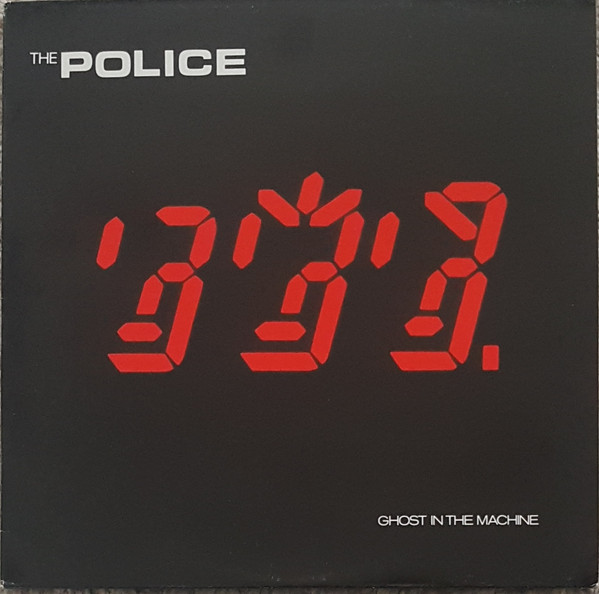
The Police
Ghost In The Machine
1. Title Origin: The album's title was inspired by Arthur Koestler's book "The Ghost in the Machine," which discussed the dualistic nature of humans mind operating as a machine and the ghost symbolizing consciousness.
2. Iconic Cover Art: Designed by Mick Haggerty, the cover features a seven-segment display that represents the members of the band. The digital numbers supposedly form 'heads' of band members Sting, Andy Summers, and Stewart Copeland. This is quite avant-garde, as it echoes the themes of technology and modernism reflected in the music.
3. Chart Success: The album was a commercial success, reaching number 1 in the UK Albums Chart and number 2 on the US Billboard 200. It includes several hit singles, such as "Every Little Thing She Does Is Magic," "Invisible Sun," and "Spirits in the Material World."
4. Social and Political Themes: The lyrics in "Ghost in the Machine" delve into political and social commentary, with songs like "One World (Not Three)" and "Rehumanize Yourself" reflecting on global unity and the need for social change.
5. Innovative Sound: The inclusion of horn arrangements was a fresh development for The Police, giving the album a more layered and complex sound structure, which was relatively different from their previous, more straightforward rock and reggae-inspired style.
6. Producer Role: Hugh Padgham co-produced the album alongside the band, bringing his expertise to the mixing and production, which contributed significantly to the polished and expansive sound of the record.
"Ghost in the Machine" is often remembered for how it captures the band's experimentation with new sounds and themes, and remains a significant piece in The Police's discography.