 The Crate
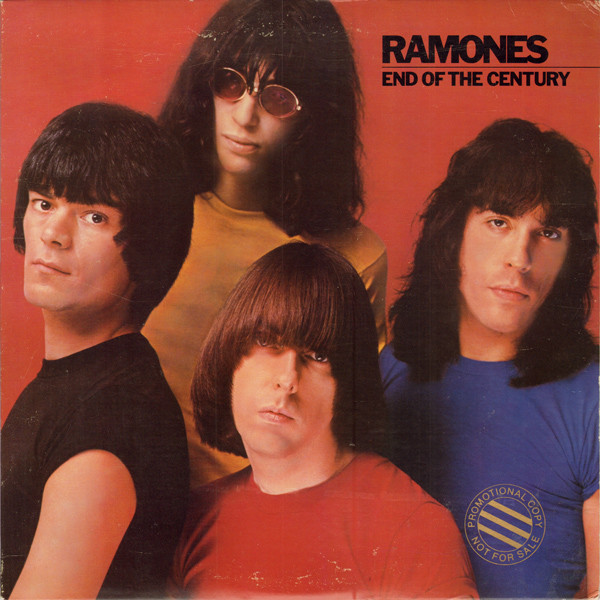
Ramones
End Of The Century
End of the Century is the Ramones’ fifth studio album, released February 4, 1980. It’s notable as the band’s first and only full-length collaboration with famed pop producer Phil Spector and represents a deliberate push toward a more polished, pop‑oriented sound that remains one of their most commercially successful — and most controversial — releases. ([en.wikipedia.org](https://en.wikipedia.org/wiki/End_of_the_Century?utm_source=openai))
Recording History
Sessions were held in Los Angeles in mid‑1979 (recording commonly dated to May 1979) at a number of studios associated with the project (Gold Star among them). Phil Spector produced the record; the sessions involved extensive overdubbing, echo‑chamber effects and a much larger budget and studio approach than the Ramones’ earlier, faster recordings. The band worked with additional studio players and contributors (Ed Stasium and several session musicians are credited alongside the four Ramones). Tensions and clashes over Spector’s meticulous methods are well documented. ([en.wikipedia.org](https://en.wikipedia.org/wiki/End_of_the_Century?utm_source=openai))
Chart Performance & Recognition
End of the Century is the Ramones’ highest‑peaking U.S. LP (Billboard 200 No. 44) and reached No. 14 in the UK. Singles included “Do You Remember Rock ’n’ Roll Radio?” and a cover of the Ronettes’ “Baby, I Love You.” The album did not spawn major awards, and it has no prominent RIAA US certification listed in standard discographies. Contemporary reviews were mixed—praised by some for Spector’s sheen and Joey’s vocals, criticized by others for overproduction. ([en.wikipedia.org](https://en.wikipedia.org/wiki/End_of_the_Century?utm_source=openai))
Cultural Impact & Legacy
The record stands as a crossroads moment: it broadened the Ramones’ audience while alienating purist fans and sparked ongoing debate about punk authenticity versus commercial ambition. “Baby, I Love You” calls back to 1960s pop; “Do You Remember Rock ’n’ Roll Radio?” encapsulates the band’s nostalgia for earlier rock culture. Today the album is regarded as historically important and divisive—an ambitious experiment that documents both Phil Spector’s late‑career studio style and the Ramones’ search for wider reach. Notable trivia: stories from the sessions (including reports of Spector’s erratic behavior) have become part of the album’s lore. ([pitchfork.com](https://pitchfork.com/reviews/albums/22291-end-of-the-century?utm_source=openai))
If you’d like, I can list the full track credits, session dates, or compare the original Spector mix with later remixes.