 The Crate
J.J. Cale
Grasshopper
1. DIY Approach: True to his style, J.J. Cale continued his tradition of self-production with "Grasshopper." He was known for wanting full control over his music’s production, often recording in his home studio, which allowed him to maintain the relaxed and intimate vibe that pervades his work.
2. Eric Clapton Connection: J.J. Cale was a significant influence on Eric Clapton, who covered Cale's songs like "After Midnight" and "Cocaine." While "Grasshopper" may not have been directly covered by Clapton, its release added further depth to Cale's catalog, from which Clapton drew inspiration.
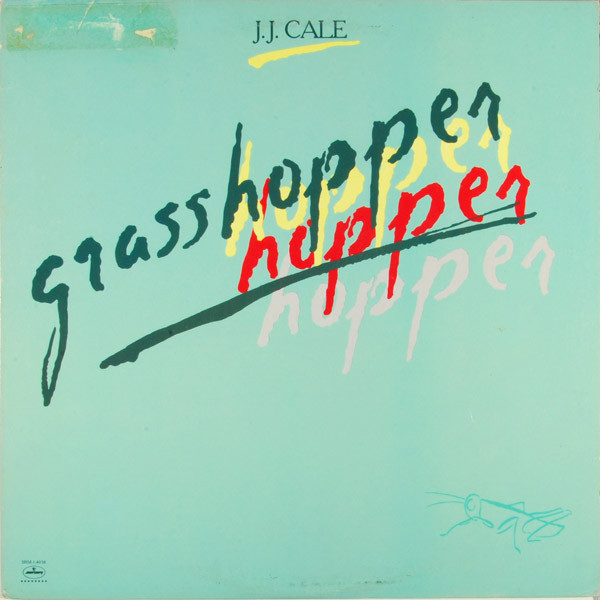
3. Album Artwork: The album cover of "Grasshopper" features a painting of a grasshopper, which complements the album's title and reflects Cale's connection with nature and simplicity—an aspect often mirrored in his music's organic sound.
4. "City Girls": One of the standout tracks on the album is "City Girls," which portrays Cale's typical storytelling style, combining smooth melodies with insightful observations about people and life in general.
5. Musical Personnel: While J.J. Cale is often associated with his solo efforts and multi-instrumental prowess, "Grasshopper" features contributions from other talented musicians, adding layers and textures to the signature Cale sound.
6. Timeless Sound: Despite being over four decades old, "Grasshopper" maintains a timeless quality. Cale's understated vocal delivery and minimalist instrumental arrangements continue to resonate with audiences, highlighting his mastery in creating songs that feel effortlessly authentic and grounded.
"Grasshopper" exemplifies J.J. Cale's ability to craft music that remains understated yet profoundly impactful, securing his legacy as a pivotal figure in the development of the Tulsa Sound.