 The Crate
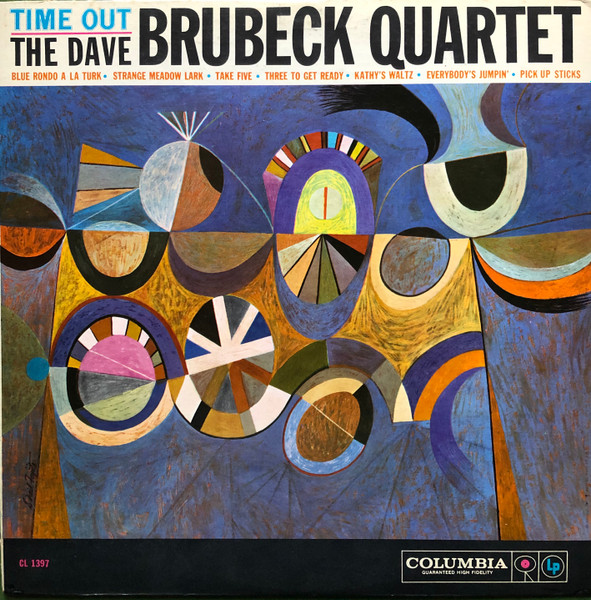
The Dave Brubeck Quartet
Time Out
1. Breakthrough in Time Signatures: One of the most fascinating aspects of "Time Out" is its experimentation with unusual time signatures. For example, the track "Take Five" is in 5/4 time, a rhythm rarely used in jazz before its release. The song became a massive hit and is perhaps the most recognizable piece from the album.
2. Influence and Inspiration: Dave Brubeck drew inspiration from a variety of sources. The rhythmic patterns on the album were partly influenced by his world tour, particularly his exposure to Turkish street music. "Blue Rondo à la Turk" is a perfect example, combining the 9/8 time signature of Turkish rhythms with Brubeck's signature jazz style.
3. Cover Art: The cover art of "Time Out," created by S. Neil Fujita, is also notable. It features an abstract painting that visually represents the album's exploration of time and rhythm, reflecting the experimentation found within.
4. Initial Skepticism: When "Time Out" was first released, both Columbia Records and Brubeck's own bandmates expressed skepticism about the album's potential. The unconventional time signatures were considered too avant-garde for mainstream listeners. However, it eventually achieved both critical acclaim and commercial success, selling over a million copies.
5. Enduring Legacy: The album had a lasting impact on jazz and music in general. It pushed the boundaries of what was considered possible in jazz and paved the way for further experimentation within the genre.
6. Lineup Essentials: Beyond Brubeck's visionary piano work, the album is brought to life by the talents of Paul Desmond on alto saxophone, whose contributions particularly shine on "Take Five". Joe Morello's unique drumming techniques provided the perfect backdrop for the album's rhythm experiments, while Eugene Wright's bass offered the necessary grounding within these complex structures.
"Time Out" remains a testament to innovation in jazz, exemplifying how musicians can blend creativity with precision to challenge and redefine traditional musical boundaries.