 The Crate
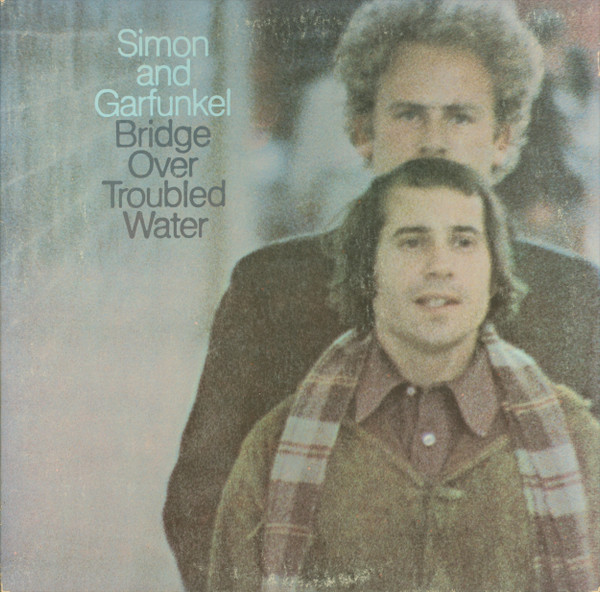
Simon & Garfunkel
Bridge Over Troubled Water
1. Title Track's Influence: The title track, "Bridge Over Troubled Water," is one of Simon & Garfunkel's most famous songs. Paul Simon has said he was inspired by the gospel music of the Rev. Claude Jeter and the Swan Silvertones' song "Mary Don't You Weep." The heartfelt spiritual and comfort of the lyrics are considered timeless.
2. Chart Success: The album was an immense commercial success, reaching No. 1 on the Billboard 200 chart and staying there for ten weeks. It was also a global hit, topping the charts in ten other countries.
3. Multi-award Winning: "Bridge Over Troubled Water" won multiple Grammy Awards in 1971, including Album of the Year and Best Engineered Album, Non-Classical. The title track itself won Record of the Year, Song of the Year, and Best Contemporary Song.
4. Tension and Transition: The making of this album was marked by tension between Paul Simon and Art Garfunkel, largely due to creative differences and Garfunkel's budding acting career. This tension later contributed to their decision to split after this album's release, making it both a high point and a terminal point in their partnership.
5. Diverse Styles: The album showcases a variety of musical styles, from folk rock to pop, gospel, and world music influences. Songs like "Cecilia" feature Peruvian percussion and rhythms, while "El Condor Pasa (If I Could)" incorporates an Andean folk arrangement.
6. Complex Production: Renowned producer Roy Halee played a significant role in the album's lush and intricate production, which included experimental techniques and extensive studio work. This work contributed to the album's rich sound and enduring appeal.
7. Cultural Reflection: Released against the backdrop of the tumultuous end of the 1960s, the album's themes of love, loss, longing, and healing resonated deeply with a world experiencing rapid social change.
"Bridge Over Troubled Water" remains a testament to the enduring power of Simon & Garfunkel's music, blending poignant storytelling with musical innovation, capturing the essence of an era while continuing to inspire future generations.