 The Crate
The Beatles
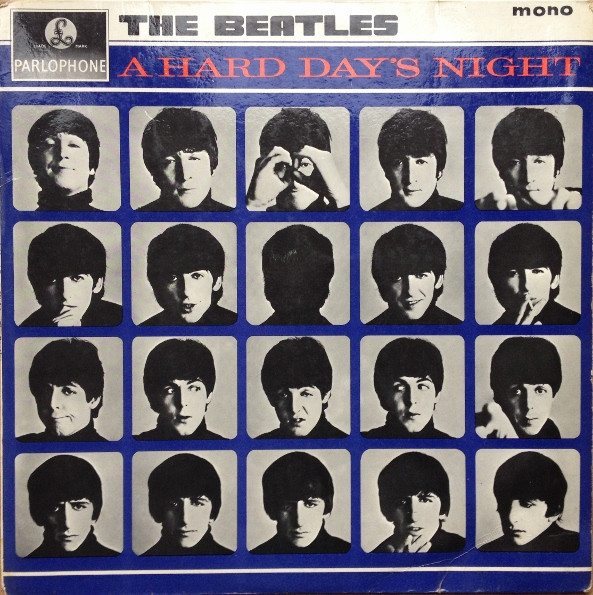
A Hard Day's Night
One of the most fascinating aspects of this album is its intertwining with the Beatles' first feature film of the same name. This dual release was a clever move both creatively and in terms of marketing. The film served to further solidify the Beatles' burgeoning global fame, portraying a fictionalized version of the band and delivering a snapshot of Beatlemania during its peak.
Musically, the album represents a pivotal moment in the Beatles' evolution. The opening chord of the title track, "A Hard Day's Night," played by George Harrison on his Rickenbacker 360/12 guitar, is one of the most recognizable and discussed sounds in rock music history. The sound's mystique and complexity have sparked numerous analyses and debates among music theorists over the years.
Additionally, the album captures the dynamic partnership of John Lennon and Paul McCartney, highlighting Lennon's dominance at the time, given that he was the principal writer on many of the tracks. However, McCartney's contributions, such as the infectious and melodic "Can't Buy Me Love," are just as crucial, showcasing his keen sense of melody.
"A Hard Day's Night" also marks a moment at the height of the Beatles' early career, with its sound reflecting their experiences and success. It's filled with youthful energy and earnest emotion, resonating through tracks like "If I Fell" and "Things We Said Today."
Overall, this album not only cemented the Beatles' status as talented songwriters and innovative musicians but also signaled the beginning of their transition from rock 'n' roll roots to the more diverse and experimental sounds that would characterize their later work.