 The Crate
Tool (2)
Undertow
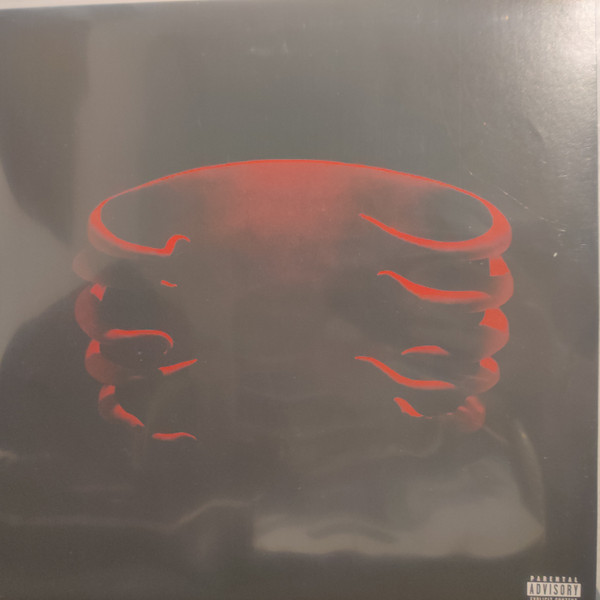
Undertow is Tool’s debut studio album, released April 6, 1993 on Zoo Entertainment. It was co-produced by Sylvia Massy and Tool and recorded at Sound City Studios (Van Nuys) and Grand Master Recorders (Hollywood); it is the only Tool LP to feature original bassist Paul D’Amour. The album’s stark visuals and heavy, disciplined aggression helped anchor Tool’s early identity. ([fourtheye.net](https://www.fourtheye.net/tool-releases/undertow/?utm_source=openai))
Recording History
- Studios: Sound City Studios, Van Nuys, and Grand Master Recorders, Hollywood, CA. ([fourtheye.net](https://www.fourtheye.net/tool-releases/undertow/?utm_source=openai))
- Dates: October–December 1992. ([fourtheye.net](https://www.fourtheye.net/tool-releases/undertow/?utm_source=openai))
- Producers/Engineers: Produced by Sylvia Massy in collaboration with Tool; engineering credits primarily to Massy, with Tool credited as co-producer. Mixing was by Ron St. Germain (except for the closing piece “Disgustipated,” which Massy handled in some pressings). Mastering by Howie Weinberg. ([en.wikipedia.org](https://en.wikipedia.org/wiki/Undertow_%28Tool_album%29?utm_source=openai))
- Notable techniques: The album features experimental sound design, including the infamous “Disgustipated” closer; anecdotes describe using unconventional sources (pianos and other objects) to craft textures. ([en.wikipedia.org](https://en.wikipedia.org/wiki/Undertow_%28Tool_album%29?utm_source=openai))
Chart Performance & Recognition
- Chart: Peaked at US Billboard 200 No. 50. ([en.wikipedia.org](https://en.wikipedia.org/wiki/Undertow_%28Tool_album%29?utm_source=openai))
- Certifications: Certified triple platinum by the RIAA in the United States. ([en.wikipedia.org](https://en.wikipedia.org/wiki/Undertow_%28Tool_album%29?utm_source=openai))
- Critical reception: Upon release, AllMusic praised its blend of aggression and intellect; Entertainment Weekly and other outlets placed it among the era’s notable alternative-metal releases. ([en.wikipedia.org](https://en.wikipedia.org/wiki/Undertow_%28Tool_album%29?utm_source=openai))
- Awards: No major awards documented for Undertow itself; the band later earned Grammys for subsequent albums. ([en.wikipedia.org](https://en.wikipedia.org/wiki/Undertow_%28Tool_album%29?utm_source=openai))
Cultural Impact & Legacy
- Influence: Undertow helped redefine mainstream heavy metal in the early 1990s and established Tool’s signature heavier, more cerebral approach that influenced many later acts. ([en.wikipedia.org](https://en.wikipedia.org/wiki/Undertow_%28Tool_album%29?utm_source=openai))
- Notable covers/samples: Henry Rollins contributed spoken-word on “Bottom,” a high-profile collaboration rather than a cover; no widely documented studio cover versions of other tracks from Undertow are noted. ([en.wikipedia.org](https://en.wikipedia.org/wiki/Undertow_%28Tool_album%29?utm_source=openai))
- Legacy: Today, Undertow is regarded as a pivotal breakthrough that set the stage for Tool’s evolving, progressive metal trajectory; its provocative art and enduring tracks like “Sober” remain touchstones of the era. ([revolvermag.com](https://www.revolvermag.com/music/how-tool-became-genre-unto-themselves-1993s-game-changing-undertow/?utm_source=openai))
- Trivia: The original album artwork sparked controversy, leading to a censored barcode edition in some markets. ([fourtheye.net](https://www.fourtheye.net/tool-releases/undertow/?utm_source=openai))