 The Crate
David Bowie
"Heroes"
1. Second in the Berlin Trilogy: "Heroes" is the second album in David Bowie's famous "Berlin Trilogy", which also includes the albums "Low" and "Lodger". This trilogy was recorded in collaboration with Brian Eno and marked a significant shift in Bowie's musical style, incorporating ambient and electronic elements.
2. Title Inspiration: The album's title track "Heroes" was inspired by real-life events. It was reportedly inspired by two lovers, producer Tony Visconti and backup singer Antonia Maaß, who Bowie saw embracing by the Berlin Wall from the recording studio's window.
3. The Berlin Wall Symbolism: Recorded in Berlin, the album's title track "Heroes" has often been viewed as a symbol of hope and defiance. The song became an anthem for the divided city, representing the possibility of unity and overcoming obstacles.
4. Innovative Recording Techniques: One intriguing aspect of the recording process is the "gated reverb" technique used on Bowie's vocals for the track "Heroes". Producer Tony Visconti created the sound by placing microphones at varying distances from Bowie and using a noise gate to create a distinctive, expansive vocal effect.
5. Critical Acclaim: Although it didn't initially achieve massive commercial success, "Heroes" has been critically acclaimed over time. It is often listed among the greatest albums of all time, lauded for its innovation and impact on both Bowie’s career and music in general.
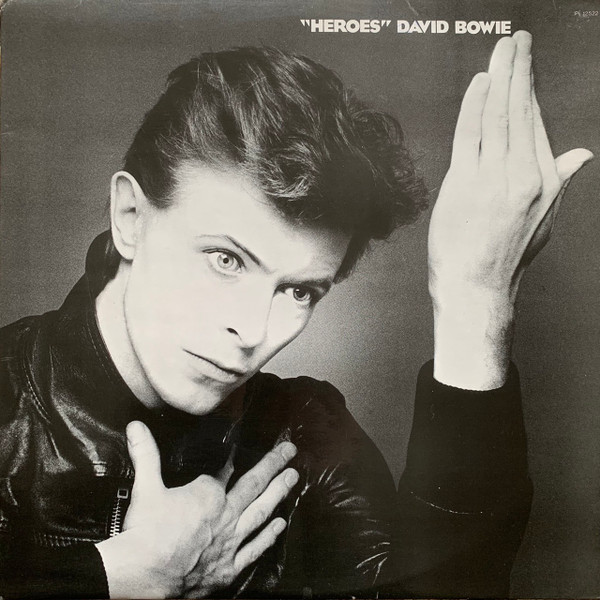
6. Album Cover: The cover photo of "Heroes" was taken by the Japanese photographer Masayoshi Sukita. It has since become one of the most iconic images associated with David Bowie. The pose Bowie adopted was a tribute to German artist Erich Heckel's painting "Roquairol".
7. Influence and Legacy: "Heroes" has influenced a wide range of artists across different genres. U2’s album "Achtung Baby" and the work of bands like Joy Division and Depeche Mode have been notably inspired by the sonic landscapes and experimental approaches Bowie and Eno pursued in the "Berlin Trilogy".
Opting to record in Berlin at the height of the Cold War, Bowie’s work on "Heroes" stands as a significant cultural artifact, blurring the lines between personal and political, and continuing to inspire generations of musicians and fans.