 The Crate
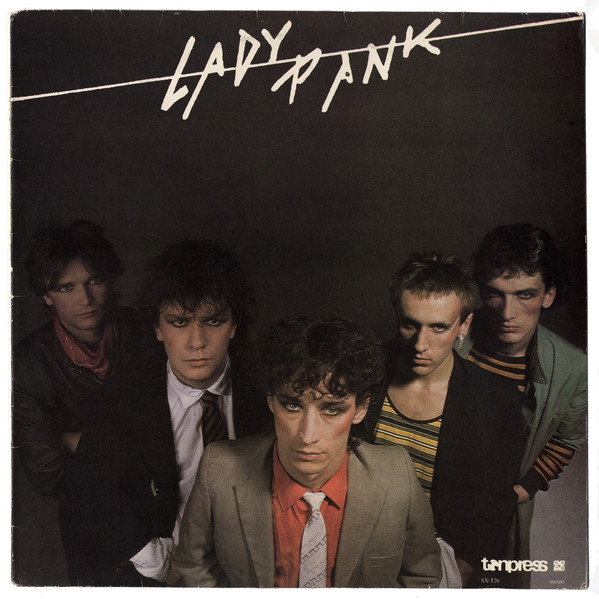
Lady Pank
Lady Pank
1. Underground Popularity: At the time of its release, Poland was still under a communist regime, and Western music influences were often limited. Despite these restrictions, Lady Pank's music broke through due to its relatable lyrics and infectious rock melodies, quickly gaining underground popularity.
2. Iconic Tracks: The album features several hits that remain popular to this day, particularly "Mniej niż zero" ("Less Than Zero"). The track is lauded for its powerful rock riffs and became an anthem of disillusionment among Polish youth.
3. Cultural Impact: The release of this album marked the beginning of Lady Pank's significant contribution to Polish culture. Their music addressed themes of rebellion, youth, and the social climate, making them a voice for the younger generation during a time of political unrest.
4. Cover Controversy: The album cover, which features a striking image of a red hand reaching up against a black background, was considered bold and provocative at the time. It symbolizes both rebellion and the desire to break free from societal constraints.
5. Production and Influences: Despite limited resources, the production quality of the album was impressive for its time. The band's sound was influenced by Western rock acts such as The Police and The Rolling Stones, reflecting a sophisticated mix of punk energy and rock melodies.
6. Legacy: Lady Pank’s debut album has remained influential over the years, inspiring numerous Polish bands and artists. It set the standard for Polish rock music, with its innovation and raw energy still resonating with fans decades after its initial release.
Overall, the "Lady Pank" album is a cornerstone of Polish rock, illustrating the power of music as a form of expression and resistance. It continues to be celebrated for its artistic and cultural significance.