 The Crate
Nikolai Rimsky-Korsakov
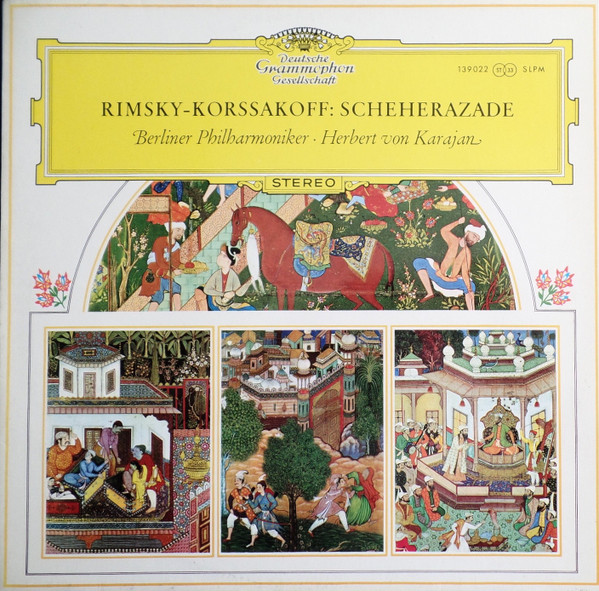
Scheherazade
1. Narrative Structure: "Scheherazade" is structured into four movements that tell different stories from the Arabian Nights. However, Rimsky-Korsakov left the interpretations of these stories quite open-ended, encouraging listeners to imagine their own tales.
2. Thematic Color: The work is renowned for its orchestration, with brilliant use of colorful orchestral textures that evoke the exotic locales and characters of the stories. Rimsky-Korsakov was known for his masterful orchestral craftsmanship, which is on full display here.
3. Solo Violin Role: The character of Scheherazade herself is represented throughout the piece by a sinuous solo violin line, which weaves in and out of the orchestral fabric, symbolizing her storytelling prowess in the original tales.
4. Sultan and Scheherazade Themes: The music opens with a powerful brass theme representing the stern Sultan Shahryar, in contrast to the more lyrical and fluid theme of Scheherazade, portrayed by the solo violin. The interplay of these themes throughout the suite represents the tension and eventual harmony between the characters.
5. Musical Influence: "Scheherazade" had a significant impact on composers that followed, setting a standard for programmatic orchestral music. Its lush, exotic themes influenced the development of musical orientalism in Western classical music.
6. Cultural Impact: Beyond the concert hall, "Scheherazade" has captured the imaginations of audiences worldwide, often used in ballet adaptations and prominently featured in various films and television shows to evoke mystery and adventure.
7. First Performance: The premiere of "Scheherazade" took place in Saint Petersburg on November 3, 1888, conducted by Rimsky-Korsakov himself. Its initial reception was positive and it quickly became a staple piece in the orchestral repertoire.
Rimsky-Korsakov's "Scheherazade" remains a testament to the power of music to conjure vivid imagery and narratives without the need for words, thus continuing its allure and appeal to audiences around the world.