 The Crate
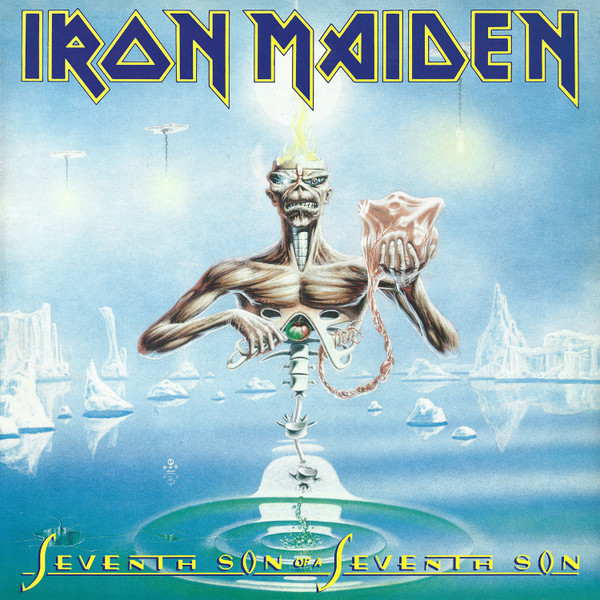
Iron Maiden
Seventh Son Of A Seventh Son
Seventh Son of a Seventh Son is Iron Maiden’s seventh studio album, released 11 April 1988. Framed as a loose concept record about prophecy and the folkloric “seventh son,” it marked a peak of the band’s 1980s creativity—both commercially (UK No. 1) and artistically, as Maiden embraced more progressive arrangements and keyboards. ([ironmaiden.com](https://www.ironmaiden.com/studio-album/seventh-son-of-a-seventh-son/))
Recording History:
The album was recorded February–March 1988 at Musicland Studios in Munich, Germany and produced by long‑time Maiden collaborator Martin Birch. Birch acted as producer/engineer/mixer; Stephane Wissner and Bernd Maier are credited as engineers and George Marino handled mastering. Rather than hire a keyboardist, the band used synths and “string” keyboard parts played by Steve Harris, Adrian Smith and others—continuing the guitar‑synth textures introduced on Somewhere in Time while adding bona fide keyboard parts for the first time in Maiden’s studio catalog. ([en.wikipedia.org](https://en.wikipedia.org/wiki/Seventh_Son_of_a_Seventh_Son))
Chart Performance & Recognition:
Seventh Son debuted at No. 1 on the UK Albums Chart and reached No. 12 on the US Billboard 200; singles such as “Can I Play with Madness” (UK No. 3) and “The Evil That Men Do” (UK Top 5) were successful. The record earned multiple certifications: RIAA Gold (US), BPI Gold (UK) and Music Canada Platinum, among others. It also received industry recognition (e.g., an Ampex/Golden Reel-style award listings) and mostly strong contemporary reviews—Kerrang! was especially enthusiastic—while retrospective reviewers frequently rank it among Maiden’s finest. ([ironmaiden.com](https://www.ironmaiden.com/studio-album/seventh-son-of-a-seventh-son/))
Cultural Impact & Legacy:
Seventh Son widened Maiden’s sonic palette toward prog‑metal territory; tracks like “Infinite Dreams,” “The Clairvoyant” and the nine‑minute title track became live staples and influenced later metal acts who blend melody and extended arrangements. The album’s folklore- and psychic‑inspired concept (Steve Harris noted Orson Scott Card and other influences) and its visual staging shaped the lavish Seventh Tour of a Seventh Tour and the Maiden England era revivals decades later. Trivia: it was the last studio album to feature Adrian Smith until his return in 1999, and “Only the Good Die Young” was heard on a contemporary TV sync (Miami Vice). Today the album is regarded as a high‑water mark of late‑’80s metal ambition. ([en.wikipedia.org](https://en.wikipedia.org/wiki/Seventh_Son_of_a_Seventh_Son))
If you’d like, I can expand any section (detailed track‑by‑track notes, full personnel/liner credits, or notable live recordings from the supporting tour).