 The Crate
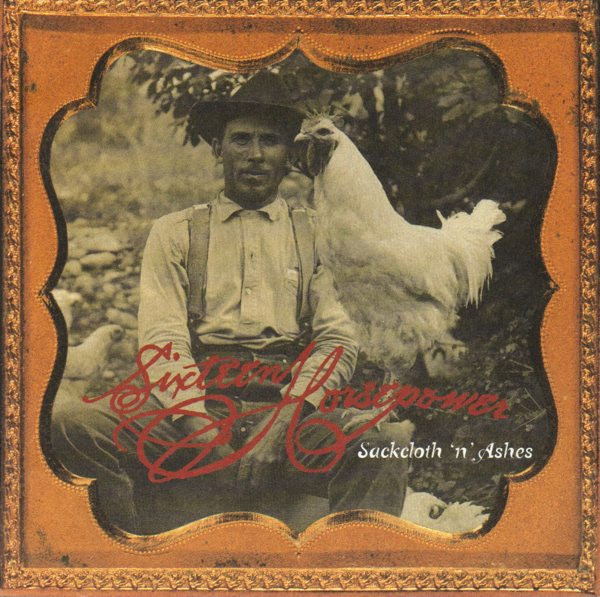
16 Horsepower
Sackcloth 'N' Ashes
Sackcloth ’N’ Ashes is 16 Horsepower’s debut full-length, released February 6, 1996. The record introduced the band’s distinctive “gothic Americana” — raw, hymn‑drenched alt‑country built around David Eugene Edwards’s urgent vocals and antique folk instrumentation — and established their cult following, especially in Europe. ([en.wikipedia.org](https://en.wikipedia.org/wiki/Sackcloth_%27n%27_Ashes?utm_source=openai))
Recording History:
The album was recorded in 1995 at Ardent Studios in Memphis, Tennessee and produced by Warren A. Bruleigh; Jeff Powell is credited as engineer/mix; the A&M release credits the core trio (David Eugene Edwards, Jean‑Yves Tola, Keven Soll) and a guest fiddle from Gordon Gano. Public sources list the sessions and credits but do not publish extended technical logs, so detailed mic/equipment notes or session dates beyond “1995” are not widely available. ([en.wikipedia.org](https://en.wikipedia.org/wiki/Sackcloth_%27n%27_Ashes?utm_source=openai))
Chart Performance & Recognition:
Sackcloth ’N’ Ashes earned strong critical notice on release but was not a mainstream commercial blockbuster in the U.S.; the band instead built a pronounced European audience and press acclaim (Dutch magazine Oor ranked the album highly in 1996). There are no widely reported RIAA/BPI-level certifications for the album. Contemporary reviews praised its haunting, backwoods intensity. ([en.wikipedia.org](https://en.wikipedia.org/wiki/Sackcloth_%27n%27_Ashes?utm_source=openai))
Cultural Impact & Legacy:
The album helped define 16 Horsepower’s influence on gothic‑country/alt‑country scenes and paved the way for David Eugene Edwards’s later project Wovenhand. “Black Soul Choir” became one of the band’s best‑known songs (it received later covers, notably by Devildriver in 2011) and the band released videos for “Black Soul Choir” and “Haw.” Today Sackcloth ’N’ Ashes is regarded as a seminal, cult classic for listeners drawn to dark, religiously inflected Americana. Not much detailed studio lore (specific techniques or outtakes) is publicly documented, so many collectors rely on liner notes and label archives for deeper session detail. ([en.wikipedia.org](https://en.wikipedia.org/wiki/Sackcloth_%27n%27_Ashes?utm_source=openai))
If you’d like, I can list the full track credits from the original A&M liner notes or point to sources for purchasing original vinyl/pressing variants.